How to Maximize Value When Redeeming Qantas Points for International Flights

Redeeming Qantas Points for international flights can unlock incredible travel experiences, from lie-flat business class seats to aspirational first-class cabins. However, maximizing value requires strategic planning, knowledge of partner sweet spots, and an understanding of the Qantas Frequent Flyer program’s nuances. This comprehensive guide will walk you through proven strategies to get the most out of your hard-earned points, ensuring every redemption delivers exceptional value.
Understanding the Qantas Points Redemption Landscape
Qantas operates a distance-based award chart for its own flights and a separate zone-based chart for partner airlines. The key to maximizing value lies in knowing which chart to use for specific routes and how to leverage partner airlines for lower points costs and reduced carrier charges. Classic Rewards are the holy grail, offering fixed points pricing and availability on Qantas, Jetstar, and partner airlines. Points Plus Pay, while more flexible, typically yields poor value (around 0.6 cents per point) and should be avoided when possible.
Key Principles:
- Classic Rewards offer the best value, with points required based on distance flown (Qantas) or zones (partners).
- Partner sweet spots often require fewer points than Qantas-operated flights, especially in premium cabins.
- Carrier charges (fuel surcharges) can erode value; choosing partners with low or no surcharges is crucial.
- Upgrades can be a good use of points if you have a paid ticket in an eligible fare class, but availability is limited.
Mastering the Qantas Classic Rewards Chart for Qantas Flights
For Qantas-operated flights, the points required are determined by the total distance flown, measured in miles. The chart is segmented into distance bands, with different pricing for economy, premium economy, business, and first class. Here’s a simplified version of the chart (effective 2023):
1、 距离 0–600 英里 · 经济舱 8,000 点 · 商务舱 18,400 点 · 头等舱 27,600 点 2、 距离 601–1,200 英里 · 经济舱 12,000 点 · 商务舱 27,600 点 · 头等舱 41,500 点 3、 距离 1,201–2,400 英里 · 经济舱 18,000 点 · 商务舱 41,500 点 · 头等舱 62,400 点 4、 距离 2,401–3,600 英里 · 经济舱 25,200 点 · 商务舱 61,200 点 · 头等舱 91,800 点 5、 距离 3,601–4,800 英里 · 经济舱 31,500 点 · 商务舱 83,400 点 · 头等舱 125,100 点 6、 距离 4,801–5,800 英里 · 经济舱 37,800 点 · 商务舱 100,200 点 · 头等舱 150,300 点 7、 距离 5,801–7,000 英里 · 经济舱 44,100 点 · 商务舱 116,800 点 · 头等舱 175,200 点 8、 距离 7,001–8,400 英里 · 经济舱 50,400 点 · 商务舱 133,400 点 · 头等舱 200,100 点 9、 距离 8,401–9,600 英里 · 经济舱 55,800 点 · 商务舱 149,900 点 · 头等舱 224,900 点 10、 距离 9,601–15,000 英里 · 经济舱 63,000 点 · 商务舱 166,900 点 · 头等舱 250,400 点
Note: Taxes, fees, and carrier charges are additional.
Strategies for Qantas Flights:
- Short-haul redemptions (under 600 miles) can be a great value, especially for business class. For example, Sydney to Melbourne (439 miles) costs only 18,400 points in business class.
- Avoid long-haul Qantas flights in premium cabins if you can use partner airlines instead. For instance, Sydney to London (10,573 miles) costs 166,900 points in business class on Qantas, but you can book the same route on a partner like Cathay Pacific for fewer points (see below).
- Look for Qantas’ own sweet spots: Perth to London (9,010 miles) is a direct flight that falls into the 8,401–9,600 band, costing 149,900 points in business class. While not cheap, it’s a unique nonstop option.
Unlocking Partner Airline Sweet Spots with Zone-Based Awards
Qantas’ partner award chart divides the world into zones, and the points required are based on the origin and destination zones, not the distance flown. This opens up incredible sweet spots, especially for premium cabin redemptions on airlines like Cathay Pacific, Japan Airlines, and Emirates. The partner chart is segmented into three tables: one for Qantas and Jetstar, one for oneworld airlines, and one for other partners (like Emirates and China Eastern). We’ll focus on the oneworld partner chart, as it offers the most value.
Oneworld Classic Reward Zones (Key Examples):
1、 出发区域:澳大利亚 · 目的地区域:亚洲 1 区 · 经济舱 25,200 点 · 商务舱 61,200 点 · 头等舱 91,800 点 2、 出发区域:澳大利亚 · 目的地区域:亚洲 2 区 · 经济舱 31,500 点 · 商务舱 83,400 点 · 头等舱 125,100 点 3、 出发区域:澳大利亚 · 目的地区域:欧洲 · 经济舱 55,800 点 · 商务舱 149,900 点 · 头等舱 224,900 点 4、 出发区域:澳大利亚 · 目的地区域:北美 · 经济舱 41,900 点 · 商务舱 108,400 点 · 头等舱 162,600 点 5、 出发区域:澳大利亚 · 目的地区域:南美 · 经济舱 37,800 点 · 商务舱 100,200 点 · 头等舱 150,300 点
Zones: Asia 1 includes Hong Kong, Japan, Korea; Asia 2 includes China, India, Singapore; Europe includes the UK; North America includes the US and Canada.
Top Partner Sweet Spots:
- Cathay Pacific: Australia to Hong Kong (Asia 1) costs only 61,200 points in business class one-way, compared to Qantas’s 83,400+ points for similar distance. Plus, Cathay Pacific has low carrier charges.
- Japan Airlines: Australia to Japan (Asia 1) is 61,200 points in business class, and JAL’s Sky Suite is a top-tier product.
- Emirates: While Emirates is a non-oneworld partner, it has its own sweet spots. Australia to Europe via Dubai costs 149,900 points in business class (similar to Qantas), but you can experience the A380 onboard bar. However, watch out for high taxes on Emirates departures from some airports.
- Fiji Airways: Australia to Fiji (South Pacific zone) is only 36,000 points in business class for a short-haul island escape.
- American Airlines: Australia to North America costs 108,400 points in business class on American, with low carrier charges. You can route via Asia or the Middle East for a more interesting itinerary.
Key Tip: Use the Qantas multi-city search tool to build complex itineraries on partner airlines, maximizing the number of stops and regions visited for the same points cost.
Avoiding High Carrier Charges and Taxes
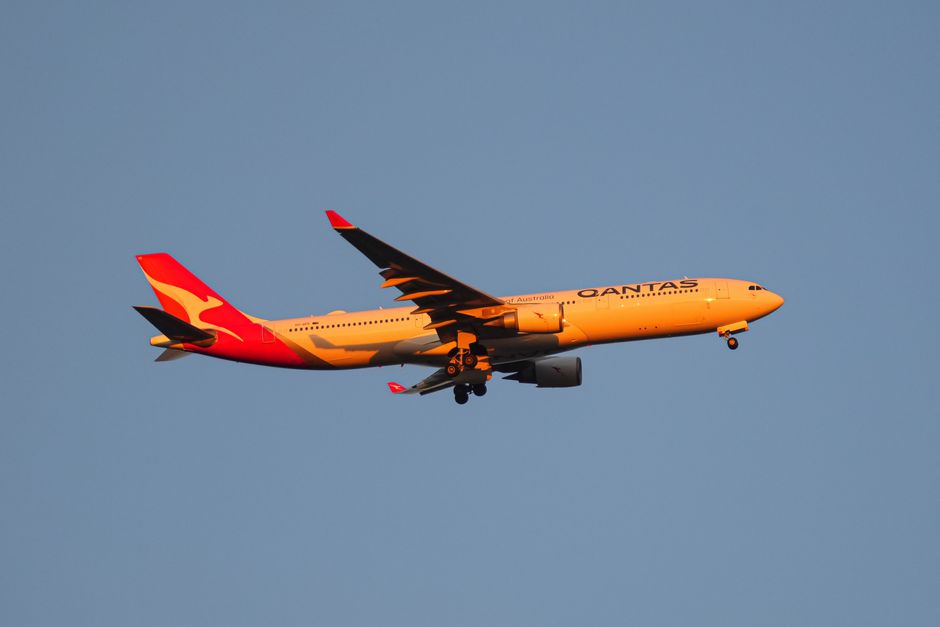
One of the biggest pitfalls when redeeming Qantas Points is the carrier charges (fuel surcharges) imposed by some airlines. These can add hundreds of dollars to an otherwise “free” ticket. Qantas itself is notorious for high carrier charges on its own flights, especially in premium cabins. For example, a business class award from Sydney to London on Qantas might incur over AUD 800 in charges, while the same route on Cathay Pacific via Hong Kong could have charges under AUD 200.
Airlines with Low or No Carrier Charges on Qantas Redemptions:
1、 国泰航空 · 附加费水平:低 · 备注:卓越的商务舱产品 2、 日本航空 · 附加费水平:低 · 备注:适合连接日本和北美 3、 美国航空 · 附加费水平:低 · 备注:广泛的美国网络 4、 马来西亚航空 · 附加费水平:低 · 备注:适合东南亚航线 5、 斐济航空 · 附加费水平:低 · 备注:短途甜蜜点 6、 澳洲航空 · 附加费水平:高 · 备注:长途航线尽可能避免 7、 阿联酋航空 · 附加费水平:中至高 · 备注:因航线而异;迪拜出发可能较高 8、 英国航空 · 附加费水平:高 · 备注:伦敦出发的税费也高
Strategies to Minimize Taxes:
- Book partner flights instead of Qantas metal whenever possible.
- Avoid departing from airports with high government taxes, like London Heathrow (high Air Passenger Duty). Consider starting your journey in a different European city (e.g., Paris, Amsterdam) and positioning with a low-cost carrier.
- Use points for the base fare and pay taxes with a credit card that offers travel protections.
- Check the total cost before booking: On the Qantas website, the points plus cash display will show the exact taxes and charges. Compare across different airlines and routings.
Booking Classic Rewards: Timing and Availability Tactics
Classic Reward seats are limited and often released according to a schedule. Understanding release patterns can give you an edge.
Qantas Release Patterns:
- Qantas releases Classic Reward seats to its own members up to 353 days in advance.
- Additional seats may become available closer to departure, especially if the flight is undersold.
- For partner airlines, availability is controlled by the operating carrier and can vary widely. Cathay Pacific, for example, often releases business class seats at 360 days out.
Tips for Snagging Seats:
- Search at midnight AEST when the new day’s inventory is loaded.
- Use the Qantas website’s “Flexible with dates” option to see a month’s view of availability.
- Consider alternative gateways: If Sydney–London is unavailable, try Melbourne–London, or even depart from Brisbane or Perth. You can position domestically using a separate ticket.
- Look for married segment logic: Some awards are only available when booked as a through-journey. For example, you might not find Sydney–New York, but Sydney–Los Angeles–New York appears because the LAX–JFK leg is available.
- Use tools like ExpertFlyer or AwardLogic to set alerts for award space on specific flights.
Upgrading with Qantas Points: Is It Worth It?
Upgrading a paid ticket using points can be a good value, but only if you understand the rules. Domestic upgrades (Classic Upgrade Rewards) require a certain number of points based on the route, while international upgrades follow a different chart. The key is that your paid fare class must be eligible—usually flexible or semi-flexible fares, not the cheapest sale fares.
International Upgrade Chart (One-way, per person):
1、 航线:澳大利亚至亚洲 · 经济舱升至豪华经济舱 20,000 点 · 经济舱升至商务舱 45,000 点 · 豪华经济舱升至商务舱 25,000 点 2、 航线:澳大利亚至欧洲 · 经济舱升至豪华经济舱 40,000 点 · 经济舱升至商务舱 90,000 点 · 豪华经济舱升至商务舱 50,000 点 3、 航线:澳大利亚至北美 · 经济舱升至豪华经济舱 35,000 点 · 经济舱升至商务舱 80,000 点 · 豪华经济舱升至商务舱 45,000 点
Points required are per segment.
When Upgrades Make Sense:
- You have a work-paid ticket in an upgradable fare class (e.g., Economy Flex).
- You want to confirm an upgrade at booking (subject to availability) rather than waitlisting.
- You’re short on points for a full Classic Reward but have enough for an upgrade.
Beware: Upgrades are not guaranteed, and you may be waitlisted. If the upgrade doesn’t clear, your points are refunded, but you’ve lost the opportunity cost.
Advanced Strategies: Round-the-World and Multi-Carrier Awards
For true maximization, consider the Oneworld Classic Flight Reward. This allows you to book a multi-stop itinerary covering up to 35,000 miles, with a maximum of 5 stopovers, using a fixed points table based on total distance. It’s a round